- Speaks
- Catalan, Spanish, English, German
- Specialises in
- Villas, Village houses
- Website
- prestigevillas.com
Estate agents in the North
134 agencies, listed in two groups: offices in the North first, then others. How we list agents
North · 5 municipalities · 17 places
Showing all 134 agenciesOrder: offices in the zone first
1
49 agencies
Offices in the North
Agencies with a shopfront somewhere in the North.
- Speaks
- Spanish, Catalan, English, German, French
- Specialises in
- Village houses, Apartments, Fincas
- Website
- domus54.com
- Speaks
- English, German, Spanish
- Specialises in
- Village houses, Fincas
- Website
- 39north3east.com
- Speaks
- Catalan, English, German, French, Spanish, Polish
- Specialises in
- Villas, Fincas
- Website
- engelvoelkers.com
- Speaks
- English, German, Spanish
- Specialises in
- Villas, Apartments
- Website
- heritagehomesmallorca.com
- Speaks
- English, Spanish, German
- Specialises in
- Apartments, Villas
- Website
- ibproperties.com
- Speaks
- German, English, Spanish
- Specialises in
- Villas, Apartments
- Website
- mayer-dau.es
- Speaks
- Spanish, Catalan, English, German, French, Italian, Portuguese, Russian, Chinese
- Specialises in
- Villas, Apartments
- Website
- remax-calm.es
- Speaks
- Spanish, German, English
- Specialises in
- Apartments, Villas
- Website
- inmobiliariacostanord.com
- Speaks
- Spanish, English, German
- Specialises in
- Apartments, Villas
- Website
- fincasroque.es
- Speaks
- English, German, Spanish, Russian, Swedish
- Specialises in
- Luxury, Villas
- Website
- firstmallorca.com
- Speaks
- Spanish, English
- Specialises in
- Villas
- Website
- immobiliariarebassa.com
- Speaks
- English, German, French, Spanish, Catalan
- Specialises in
- Villas, Fincas
- Website
- solmallorca.com
- Speaks
- Spanish, English, German
- Specialises in
- Villas, Fincas, Apartments
- Website
- xarxahomes.com
- Speaks
- English, Norwegian, Spanish, German
- Specialises in
- Apartments, Villas
- Website
- ellimon.com
- Speaks
- English, Spanish, German
- Specialises in
- Villas, Fincas
- Website
- villasplanet.com
- Speaks
- Spanish, German, English, French, Dutch, Arabic
- Specialises in
- Fincas, Villas
- Website
- kaimo.es
- Speaks
- Spanish, English, German
- Specialises in
- Villas, Fincas
- Website
- ialcanada.com
- Speaks
- Spanish, English, German, French, Swedish
- Specialises in
- Apartments
- Website
- alcudiaproperty.es
- Speaks
- English, Spanish, German
- Specialises in
- Villas, Fincas, Apartments
- Website
- balearic-properties.com
- Speaks
- Spanish
- Specialises in
- Fincas
- Website
- cateva-properties.com
- Speaks
- Spanish, English, German
- Specialises in
- Fincas, Villas
- Website
- casasmallorquinas.com
- Speaks
- English, German, Spanish
- Specialises in
- Apartments, Villas
- Website
- comfortproperties.es
- Speaks
- German, English, Spanish
- Specialises in
- Luxury, Villas, Fincas
- Website
- dahlercompany.com
- Speaks
- English, Spanish, German
- Specialises in
- Apartments, Villas
- Website
- dickinsonproperties.com
- Speaks
- English, German, Spanish
- Specialises in
- Luxury, Villas, Fincas
- Website
- heinsbroekrealestate.com
- Speaks
- Spanish, Catalan
- Specialises in
- Village houses, Fincas
- Website
- ibhabitat.es
- Speaks
- Spanish
- Specialises in
- Village houses
- Website
- immoblescrespi.com
- Speaks
- Spanish
- Specialises in
- Village houses, Fincas
- Website
- inmocharme.com
- Speaks
- Spanish
- Specialises in
- Fincas
- Website
- inmoalquila.es
- Speaks
- Spanish, English, German
- Specialises in
- Villas, Fincas
- Website
- inmobiliariaalcudia.com
- Speaks
- Spanish, English, German
- Specialises in
- Village houses, Apartments
- Website
- alcudia2000.com
- Speaks
- English, Spanish
- Specialises in
- Apartments, Villas
- Website
- inmobport.com
- Speaks
- English
- Specialises in
- Apartments, Village houses
- Website
- james-broker.com
- Speaks
- English, Spanish, German, French
- Specialises in
- Villas, Apartments
- Website
- jsproperties.com
- Speaks
- German, English, Spanish
- Specialises in
- Villas, Fincas, Luxury
- Website
- kensington-international.com
- Speaks
- English, Spanish, German
- Specialises in
- Village houses, Fincas
- Website
- living-pollensa.com
- Speaks
- English, Spanish, German
- Specialises in
- Apartments, Villas
- Website
- mairataproperties.com
- Speaks
- English, Spanish, Catalan, German, Norwegian, Swedish, Danish, French, Polish
- Specialises in
- Villas, Apartments
- Website
- mallorcasalesproperties.com
- Speaks
- Spanish, English, German
- Specialises in
- Apartments
- Website
- mallorcaurban.group
- Speaks
- Spanish, English
- Specialises in
- Village houses, Villas
- Website
- mallorhouse.com
- Speaks
- English
- Specialises in
- Apartments, Village houses
- Website
- mccallumhomes.es
- Speaks
- English, Spanish, German
- Specialises in
- Luxury, Fincas, Villas
- Speaks
- Spanish
- Specialises in
- Apartments
- Speaks
- English, Spanish, German, French
- Specialises in
- Villas, Fincas
- Website
- pollentiaproperties.com
- Speaks
- English, Spanish, German
- Specialises in
- Fincas, Apartments
- Website
- propiedadespollensa.com
- Speaks
- Spanish
- Specialises in
- Apartments
- Website
- betterliferemax.es
- Speaks
- English, Spanish
- Specialises in
- Apartments, Village houses
- Website
- riusech.com
- Speaks
- German, English, Spanish
- Specialises in
- Villas, Apartments, Fincas
- Website
- von-poll.com
2
85 agencies
Other agents covering the North
Island-wide agencies and agencies based elsewhere.
- Speaks
- English, Spanish, Catalan, German, French, Swedish, Russian
- Specialises in
- Apartments, Villas
- Website
- imperial-properties.com
- Speaks
- German, English, Spanish
- Specialises in
- Luxury, Villas
- Website
- herzog-mallorca.com
- Speaks
- Spanish, Catalan, English
- Specialises in
- Apartments
- Website
- durendesa.com
- Speaks
- German, English, Spanish
- Specialises in
- Villas, Apartments
- Website
- edelhof.com
- Speaks
- Spanish, Catalan, English
- Specialises in
- Apartments
- Website
- inmobiliariaoliver.com
- Speaks
- German, English, Spanish
- Specialises in
- Villas, Apartments
- Website
- kunze-partner.com
- Speaks
- Spanish
- Specialises in
- Fincas, Villas
- Website
- laposesionmallorquina.com
- Speaks
- German, English, Spanish
- Specialises in
- Fincas
- Website
- mallorcafincavianden.com
- Speaks
- English, Swedish, Spanish
- Specialises in
- Luxury, Apartments, Villas
- Website
- palmamarkets.com
- Speaks
- German, English, Spanish
- Specialises in
- Luxury, Villas
- Website
- privatehideaway.com
- Speaks
- German, Russian, English, Spanish
- Specialises in
- Apartments
- Website
- redhawk-realestate.com
- Speaks
- English, German, Spanish
- Specialises in
- Luxury, Villas, Apartments
- Website
- sae-mallorca.com
- Speaks
- German
- Specialises in
- New builds, Villas
- Website
- swiftbalear.com
- Speaks
- Spanish
- Specialises in
- Villas, Apartments
- Website
- zainoscapital.com
- Speaks
- Spanish, English, German, French
- Specialises in
- Apartments
- Website
- balearinvest.com
- Speaks
- Spanish
- Specialises in
- Fincas
- Website
- mallorcahouse.com
- Speaks
- German, English, Spanish
- Specialises in
- Apartments, Villas, Fincas
- Website
- smartlivingmallorca.com
- Speaks
- Spanish, English, German
- Specialises in
- Villas, Fincas, Apartments
- Website
- filmhouses.com
- Speaks
- English, German, Spanish, Russian, French, Dutch, Swedish, Polish
- Specialises in
- Villas, Fincas, Apartments
- Website
- portamallorquina.com
- Speaks
- Spanish
- Specialises in
- Apartments
- Website
- uccsl.com
- Speaks
- Spanish
- Specialises in
- Apartments, Fincas
- Website
- grupdirect.com
- Speaks
- Spanish, Catalan, English, German, Russian
- Specialises in
- Apartments
- Website
- viviendasmria.com
- Speaks
- English, German, Spanish
- Specialises in
- Villas, Apartments
- Website
- falcrealestate.com
- Speaks
- Spanish, English, German
- Specialises in
- Apartments, Villas
- Website
- mogohomes.com
- Speaks
- Spanish, Catalan, English, French, German
- Specialises in
- Apartments, Villas
- Website
- aproperties.es
- Speaks
- Spanish
- Specialises in
- Villas
- Website
- atrioinmobiliaria.com
- Speaks
- Spanish, English, German, Italian
- Specialises in
- Apartments, Villas
- Website
- realestatebalear.com
- Speaks
- Spanish, English, German
- Specialises in
- Luxury, Villas, Apartments
- Website
- balearhouse.com
- Speaks
- English, Spanish, German, Swedish, French
- Specialises in
- Luxury, Villas, Apartments
- Website
- balearicblue.com
- Speaks
- English, Spanish, French, Swedish, Portuguese, Italian
- Specialises in
- Luxury, Villas, Apartments
- Website
- barnes-international.com
- Speaks
- English, Spanish, German, Swedish, French, Dutch, Catalan
- Specialises in
- Luxury, Villas
- Website
- bhhsspain.com
- Speaks
- English, Swedish, Spanish
- Specialises in
- Villas, Apartments
- Website
- bjurfors.se
- Speaks
- Spanish, English, German, French, Italian, Swedish, Arabic
- Specialises in
- Luxury, Fincas
- Website
- bonafinca.com
- Speaks
- Spanish, English
- Specialises in
- Apartments, Luxury
- Website
- brokersmallorca.com
- Speaks
- Spanish
- Specialises in
- Fincas, Village houses
- Website
- cyfo.es
- Speaks
- Spanish
- Specialises in
- Apartments
- Website
- cbpisos.com
- Speaks
- English, German, Spanish, French, Polish, Russian, Swedish
- Specialises in
- New builds, Villas
- Website
- cjrealestate.eu
- Speaks
- Spanish, English, German
- Specialises in
- Apartments
- Website
- cocoinmobiliaria.com
- Speaks
- Spanish, English
- Specialises in
- Luxury
- Website
- daviniacaldes.com
- Speaks
- Spanish, English
- Specialises in
- Fincas, Apartments
- Website
- delmargroup.es
- Speaks
- Spanish, English, German
- Specialises in
- Villas, Apartments
- Website
- domo-plan.com
- Speaks
- English, Spanish
- Specialises in
- Apartments, Villas
- Website
- fantasticfrank.com
- Speaks
- German, English
- Specialises in
- Villas, Luxury
- Website
- firstclass-estate.com
- Speaks
- Spanish, English, German
- Specialises in
- Apartments
- Website
- gestpropiedad.com
- Speaks
- Spanish, English, German
- Specialises in
- New builds, Apartments
- Website
- gregalproperties.com
- Speaks
- German, English, Spanish, French
- Specialises in
- Apartments, Villas
- Website
- huether-partner-mallorca.de
- Speaks
- Spanish
- Specialises in
- Apartments
- Website
- ilfinmobiliaria.com
- Speaks
- German, English, Spanish
- Specialises in
- Fincas, Villas
- Website
- inm-mallorca.com
- Speaks
- Spanish
- Specialises in
- Villas, Fincas
- Website
- estarellasbroker.com
- Speaks
- Spanish
- Specialises in
- Apartments, Villas
- Website
- inmobiliariamutbymarian.es
- Speaks
- Spanish
- Specialises in
- Villas, Fincas, Apartments
- Website
- sescorxador.com
- Speaks
- Spanish, Catalan, English, German
- Specialises in
- Apartments, Villas
- Website
- inmodomum.com
- Speaks
- Spanish
- Specialises in
- Apartments
- Website
- inmopropiedad.com
- Speaks
- Spanish
- Specialises in
- Village houses, Apartments
- Website
- inmorange.com
- Speaks
- Spanish, English
- Specialises in
- Villas, Luxury
- Website
- inmovita.es
- Speaks
- Spanish, English, German, Russian
- Specialises in
- Apartments, Villas
- Website
- jd-residences.com
- Speaks
- Spanish, German, English, Russian
- Specialises in
- Apartments, Villas
- Website
- keystonemallorca.com
- Speaks
- Spanish, English
- Specialises in
- Apartments, New builds
- Website
- laboutiqueinmobiliaria.com
- Speaks
- Spanish
- Specialises in
- Apartments, New builds
- Website
- labproperties.es
- Speaks
- Spanish, English, German, French
- Specialises in
- Fincas, Village houses, New builds
- Website
- livingblue-mallorca.com
- Speaks
- Spanish, English
- Specialises in
- Apartments
- Website
- maberty.com
- Speaks
- Spanish
- Specialises in
- Apartments, Villas
- Website
- mallorcagestion.com
- Speaks
- Swedish, English, Spanish
- Specialises in
- Apartments, Villas
- Website
- mallorcabyran.se
- Speaks
- Spanish, English
- Specialises in
- Villas, Fincas, Apartments
- Website
- mallorcasa.es
- Speaks
- Spanish, English, German
- Specialises in
- Fincas, Village houses, Luxury
- Website
- medina-mallorca.com
- Speaks
- Spanish, English, German, French
- Specialises in
- Apartments
- Website
- morcas.com
- Speaks
- English
- Specialises in
- Luxury
- Website
- nestseekers.com
- Speaks
- Spanish, English, German
- Specialises in
- Villas, Apartments, Fincas
- Website
- nicolasmessias.com
- Speaks
- Spanish
- Specialises in
- Apartments
- Website
- nn-realestate.com
- Speaks
- Spanish, English, German
- Specialises in
- Luxury, Villas, Fincas
- Website
- nofreplomerpremium.com
- Speaks
- Spanish, English, German
- Specialises in
- Fincas, Village houses
- Website
- nouespaiinmobiliaria.com
- Speaks
- Spanish
- Specialises in
- Apartments
- Website
- palmarealtor.com
- Speaks
- Spanish, English, German, French, Italian, Swedish
- Specialises in
- Apartments, Villas
- Website
- puroestate.com
- Speaks
- Spanish
- Specialises in
- Apartments
- Website
- remaxmajor.com
- Speaks
- Spanish
- Specialises in
- Villas, Fincas, New builds
- Website
- redpremium.es
- Speaks
- Spanish
- Specialises in
- Apartments
- Website
- inmo83.com
- Speaks
- Spanish, English, German
- Specialises in
- Fincas
- Website
- rusticamallorca.com
- Speaks
- German, English, Spanish
- Specialises in
- Luxury, Villas
- Website
- smartestatesmallorca.com
- Speaks
- Spanish
- Specialises in
- Village houses, Fincas
- Website
- sociesifills.es
- Speaks
- English, German
- Specialises in
- Villas, Fincas
- Website
- soul-homes.com
- Speaks
- English, Spanish, German, French, Italian, Dutch, Russian, Catalan, Polish, Portuguese
- Specialises in
- Luxury, Villas
- Website
- spain-sothebysrealty.com
- Speaks
- Swedish, English
- Specialises in
- Apartments, Villas
- Website
- svenskfast.se
- Speaks
- English, German, Dutch, Swedish, Spanish, Catalan, Italian, French
- Specialises in
- Luxury, Villas
- Website
- theagencyre-mallorca.com
- Speaks
- Spanish
- Specialises in
- Apartments, Villas
- Website
- villainvest.es
- Speaks
- German, English, Spanish
- Specialises in
- Fincas, New builds, Villas
- Website
- ywc-realestate.com
Featured agents pay to appear first in their group and are always labelled. How we list agents →
No agencies here match those filters.
Living here
The North covers Mallorca’s two great northern bays, Pollença and Alcúdia, and the farmland behind them, across five municipalities: Pollença, Alcúdia, Muro, sa Pobla and Santa Margalida. Old market towns, family beach resorts and quiet coves lie 40 to 70 minutes from Palma. Choose it for long sandy beaches with a year-round town nearby, as long as Palma need not be on the doorstep.
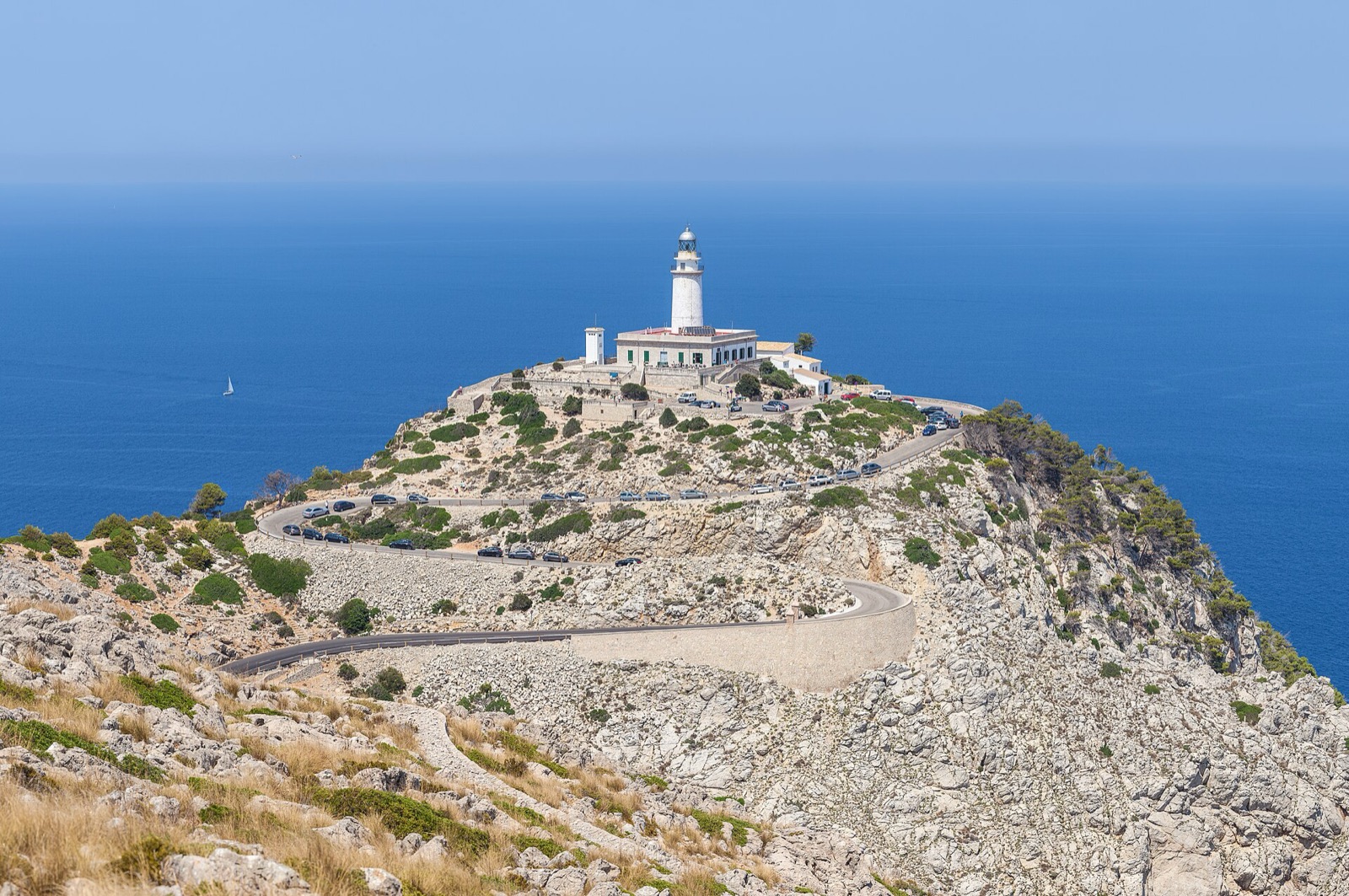
The zone takes in Mallorca’s northern tip. From Formentor, where the Serra de Tramuntana runs out into the sea, the coast curves round the Bay of Pollença to Alcúdia and the hilly Victòria peninsula. Beyond Cap des Pinar, the Bay of Alcúdia sweeps round past Port d’Alcúdia, Playa de Muro and Can Picafort to Son Serra de Marina, where the zone meets Artà. Behind the bay lies s’Albufera, the largest wetland in the Balearic Islands and a natural park since 1988, and beyond it the flat farmland around Muro and sa Pobla, the island’s main vegetable-growing town. About 77,000 people were registered across the zone in 2025.
Life here runs on two rhythms. The five old towns, Pollença, Alcúdia, Muro, sa Pobla and Santa Margalida, keep going all year, each with its town hall, schools, a public health centre or clinic and a weekly market. The resorts fill up in summer and go very quiet in winter, when many restaurants and shops close. In between come Port de Pollença, Port d’Alcúdia and Can Picafort, seaside towns with thousands of registered residents, and schools and public GP units that carry on through the winter.
The Ma-13 motorway from Palma runs past Inca and ends at sa Pobla. The inland towns are 45 to 55 minutes from central Palma, most of the coast 50 to 60, and Formentor and Son Serra de Marina about 70. Trains run from Palma to Muro and sa Pobla, and TIB buses run to Palma all year from Port de Pollença, Pollença, Alcúdia, Can Picafort and sa Pobla. Port d’Alcúdia has an airport bus all year. The public hospital for the whole zone is in Inca, and a private hospital in Playa de Muro is open around the clock.
There is a lot of open country. Walkers have the northern end of the Tramuntana around Pollença, part of a UNESCO World Heritage landscape since 2011, along with Formentor and the pine-covered Victòria hills. More than 300 bird species have been recorded at s’Albufera, and east of Can Picafort the public Son Real estate keeps some 6 km of coast undeveloped. Sailors have marinas at Port de Pollença, Port d’Alcúdia, Bonaire and Can Picafort, ferries sail from Port d’Alcúdia to Menorca, and Alcanada has an 18-hole golf course.
Who buys here
British holidaymakers have come to Port de Pollença since the late 1920s, and Britons are now the largest foreign community in Pollença. Alcúdia’s foreign residents include Italians, Britons and Germans, and Can Picafort has long drawn German and British visitors. Families are drawn by the shallow beaches and the schools in the towns and ports, while retired couples and second-home owners look for a flat near the sand or a house with a garden. Walkers, cyclists, sailors and birdwatchers have the mountains, bays and wetlands.
Property
The old towns have traditional townhouses on narrow streets, and the centres of Alcúdia and Muro are listed historic ensembles with their own building rules. The resorts on the Bay of Alcúdia are mostly flats and houses built between the 1960s and the 1990s, so check a building’s age and condition. Houses are the main stock in Alcanada, Es Barcarès, Bonaire and Mal Pas, Cala Sant Vicenç, Crestatx and Son Serra de Marina, and country houses and fincas are spread across the farmland and the valleys around Pollença. Rural plots need a lawyer’s check that everything built is legal, and any holiday-let licence should be verified before you buy.
Getting around
Approximate times by car, outside rush hour and summer traffic.
- 40–70min
Central Palma40 to 45 from sa Pobla, 50 to 60 from most of the coast, about 70 from Formentor and Son Serra de Marina
- 45–75min
Palma airport45 to 50 from sa Pobla, 55 to 65 from most of the coast, about 70 from Son Serra de Marina, 70 to 75 from Formentor
- 15–40min
Hospital Comarcal d’IncaThe zone’s public hospital: 15 from sa Pobla and Muro, 20 to 30 from Pollença, Alcúdia and Can Picafort, 40 from Formentor and Son Serra
- 15–20min
Port de Pollença to Port d’AlcúdiaRound the Bay of Pollença on the Ma-2220
- 10–20min
Inland towns to the beachSa Pobla and Muro to Playa de Muro, Santa Margalida to Can Picafort
How the North breaks down
-
The historic town of Pollença and its seaside port on the bay, 6 km apart, with about 9,400 and 7,600 residents. Both have schools and shops all year. Townhouses in the town and fincas in the valleys around it; mostly flats in the port, with older villas on the Pine Walk.
-
The wild northern tip of the zone. Cala Sant Vicenç is a small resort of villas and holiday flats around four coves, very quiet in winter, and Formentor a mountainous peninsula with a few scattered homes on partly protected land. Daily life runs through Pollença and its port.
-
Alcúdia’s walled old town, with the town hall and a twice-weekly market, its harbour district with the marina and the Menorca ferries, and the strip of hotels and flats along the long sandy beach to the south. Townhouses inside the walls, mostly flats from the tourism boom by the sea.
-
Quieter, low-rise areas of houses with gardens on both of Alcúdia’s bays, grown from early summer colonies and 1960s estates, within about 10 minutes of the old town. Small beaches and coves, golf at Alcanada and a marina at Bonaire. Bonaire and Mal Pas still have no mains sewerage.
-
Further round the Bay of Alcúdia: the beach resort of Playa de Muro with s’Albufera behind, Can Picafort, a resort town of nearly 9,000 residents with a marina and schools, and the low-rise village of Son Serra de Marina beyond the Son Real coast. Quiet winters, especially in Playa de Muro and Son Serra.
-
The inland farm towns, lived in all year, with schools, public health care, weekly markets and old townhouses, and the beaches 10 to 20 minutes away. Muro and sa Pobla have stations on the train line to Palma; Crestatx, about 4 km north of sa Pobla, has detached houses and an international school.
Pros and cons
For
- Long, gently shelving sandy beaches, good for young children
- Old towns with schools, health care and markets all year
- Mountains, Formentor, s’Albufera and Son Real close at hand
- Marinas on both bays and ferries to Menorca
- Trains from sa Pobla and Muro; buses to Palma all year
Against
- 40 to 70 minutes from Palma, and up to 75 from the airport
- The public hospital is in Inca, 15 to 40 minutes away
- Resorts go very quiet in winter, and many restaurants close
- Summer crowds, parking trouble and queues on the Formentor road
- Tight planning on rural land, Formentor, Bonaire and Mal Pas
Questions buyers ask
Which places does the North include?
Five municipalities: Pollença, with its old town, Port de Pollença, Cala Sant Vicenç and Formentor; Alcúdia, with its walled old town, the port, Platja d’Alcúdia, Alcanada, Es Barcarès and Bonaire and Mal Pas; and Muro, sa Pobla and Santa Margalida. Muro runs from its inland town to Playa de Muro, sa Pobla includes Crestatx, and Santa Margalida takes in Can Picafort and Son Serra de Marina.
Should I look on the Bay of Pollença or the Bay of Alcúdia?
The Bay of Pollença lies between Formentor, where the last ridges of the Tramuntana meet the sea, and the Victòria peninsula, with Port de Pollença and the quiet, low-rise shores of Es Barcarès and Bonaire. The Bay of Alcúdia has the long, gently shelving beach that runs from Port d’Alcúdia through Playa de Muro to Can Picafort, with hotel strips along much of it and s’Albufera behind. Both are about 50 to 60 minutes from Palma.
Can I live in the North all year?
Yes, in the old towns and the larger seaside towns: Pollença, Alcúdia, Muro, sa Pobla, Santa Margalida, Port de Pollença, Port d’Alcúdia and Can Picafort all have schools and public health care through the winter. Playa de Muro, Cala Sant Vicenç and Son Serra de Marina follow the summer and are very quiet in winter, and Platja d’Alcúdia is built around tourism.
Can I get to Palma and the airport without a car?
Partly. Trains run from sa Pobla and Muro to Palma’s Estació Intermodal in 50 to 60 minutes, and TIB buses 301 and 302 run all year from Port de Pollença, Pollença, Alcúdia, Can Picafort and sa Pobla. An airport bus leaves Port d’Alcúdia all year and Can Picafort from late March to October, but none serves Pollença.
Can I let my property to holidaymakers?
Only with a tourist licence. As of 2025 Mallorca registered no new flats for holiday lets, and the Consell de Mallorca sold only a few new places for houses. If letting income matters, a home that already has a licence, checked by a lawyer, is the safer buy.