Blog

Area comparisons, life on the island through the year and practical tips. A new post every Monday.

October 2026

4 posts

  • Choosing your zone: a checklist for the whole island

    Mallorca is small on the map but varied on the ground. Before you look at individual homes, narrow the island down to one or two zones. This checklist covers the questions that matter most, from year-round life and airport time to schools, sea or inland and the kind of home you want, with links to every zone page.
  • Car, motorbike or bike? Getting around by area

    Whether you need a car in Mallorca depends almost entirely on where you live. Central Palma works on foot, by bus and by bike, the inland towns have trains, and most of the coast and countryside needs a car. Here is what to expect area by area, plus the rules for drivers, riders and cyclists.

  • Palma’s newer districts: Nou Llevant and the north

    Away from the old town, Palma has districts where buyers find newer flats, lifts and parking, or a house and garden inside the city limits. We compare Nou Llevant’s new seafront blocks, the Northern Eixample’s practical city streets and the village life of Son Sardina and Establiments.

  • Renovating an old house in Mallorca: permits and the order of work

    Many buyers in Mallorca want an old town house or finca to restore. What you can do depends on the kind of works, the land and any heritage protection, and the paperwork has a set order. This is a plain guide to the permits, the people involved and the steps, from before you buy to moving in.

September 2026

4 posts

  • Felanitx and Portocolom

    Felanitx is an inland market town in south-east Mallorca, and Portocolom is its harbour village on one of the island’s largest natural bays, 15 to 20 minutes away. Together they offer year-round town life, a working port and quiet winters, about an hour from Palma.

  • Autumn: a good season to look for property?

    Autumn is one of the most practical times to view homes in Mallorca. The heat eases, the roads and beaches empty, and you see places as their residents live them. It is also the start of the rainy season, which tells you things about a house that a summer visit never will.

  • Valldemossa beyond the day-trippers

    Most people know Valldemossa as a busy day out: the monastery, the Chopin cells, a coffee and back to the coach. Living there is different. Here is how the village works once the visitors leave, what it has and lacks day to day, and how it compares with two quieter neighbours in the Tramuntana, Esporles and Banyalbufar.

  • Wine country: Binissalem, Santa Maria and Consell

    Three towns in the Raiguer, between Palma and Inca, sit at the heart of Mallorca’s oldest wine area. Binissalem, Santa Maria del Camí and Consell are working towns with schools, markets and trains to Palma in about half an hour or less. September is harvest month, and Binissalem’s festival is about to fill the second half of it.

August 2026

5 posts

  • Back to school: Mallorca’s school year for newcomers

    Classes in the Balearic Islands start again on 10 September 2026. For families moving to Mallorca, this is a quick guide to how the school year runs, how the stages fit together, what to expect from Catalan in state schools, and how to find a place for a child who arrives after the spring admissions round has closed.

  • Alcúdia old town or Port d’Alcúdia?

    Alcúdia’s walled old town and its harbour, Port d’Alcúdia, are only about 2.5 km apart and share one town hall, yet daily life in each is very different. One is a medieval town with a market and services all year; the other puts the beach, the marina and the ferries on your doorstep. Here is how they compare.

  • Holiday-let licences in plain words: what buyers should check

    Many buyers hope to let their Mallorca home to holidaymakers some of the year. That needs a tourism registration, usually called a licence, and new ones are now hard to get. Here is what a licence is, why the type of home and its location matter so much, and the questions to ask before you sign.

  • Bendinat, Illetes and Portals: the coast just west of Palma

    Illetes, Bendinat and Portals Nous sit side by side on the first stretch of Calvià’s coast, all within about 15 to 20 minutes of Palma. They share schools, buses and a health unit, but each feels different: small coves and seafront hotels, quiet villa streets around a golf course, and a village built around a marina.

  • August in Mallorca: fiestas, closures and what to expect

    August is Mallorca at full stretch: village fiestas almost every week, a public holiday on the 15th, the busiest roads and beaches of the year, and plenty of local businesses closed for their own holidays. What to expect if you own a home here, or are hoping to buy one this month.

July 2026

4 posts

  • Flights and the airport: getting to Mallorca all year

    Palma’s airport is what lets so many people own a home in Mallorca and still live and work elsewhere. How flights change between summer and winter, how buses link the airport with the rest of the island, and roughly how long the drive takes from each part of Mallorca.

  • Cala Millor, Sa Coma and Cala Bona: the east coast resorts as places to live

    Cala Millor, Sa Coma and Cala Bona were built for holidaymakers, yet thousands of people are registered in them all year. What life is like out of season, which services stay open, how the three resorts differ, and why most buyers here end up with a flat rather than a villa.

  • Heat, air conditioning and orientation: choosing a house for July

    A house that feels perfect on an April viewing can be hard work in July. Orientation, thick walls, shade, insulation and air conditioning decide how a Mallorcan home copes with summer. What to look at when you view, and why nights by the sea and nights inland are not the same.

  • Living with a boat: Mallorca’s marinas and yacht clubs

    Mallorca has dozens of marinas and yacht clubs, from Palma’s big city clubs to small harbours run by the Balearic ports agency. Where the main ones are, how berths are actually held, why waiting lists matter, and what to sort out before a boat becomes part of your plan for a home here.

June 2026

5 posts

  • Llucmajor’s coast: Sa Torre, Cala Blava and S’Arenal

    South-east of Palma, the municipality of Llucmajor runs along the Bay of Palma from s’Arenal to the estates of Cala Blava and the clifftop urbanisation of Sa Torre. How the three differ, what they offer all year, how close the airport really is, and what to look into before you buy.

  • Nit de Sant Joan: midsummer on Mallorca’s beaches

    On the night of 23 June, the eve of Sant Joan, Mallorca stays up late. Palma holds a fire run of devils in the Parc de la Mar, thousands head for the beaches, and several towns start their patron saint’s fiestas. Here is what happens, what the beach rules are in Palma and what to expect if you live nearby.

  • Port de Sóller or Sóller town?

    Sóller and its harbour, Port de Sóller, are only about 3 km apart and joined by a 1913 tram, but they are very different places to live. One is a year-round valley town with schools, a market and a health centre; the other is a seaside village shaped by the season. Here is how they compare.

  • Healthcare in Mallorca: hospitals and health centres by area

    Mallorca’s public health service is split into four areas, each with its own hospital: Son Espases, Son Llàtzer, Inca and Manacor. Here is how the system is organised, which hospital serves which part of the island, how local health centres and out-of-hours care work, and how residents register.

  • Summer crowds: where it gets busy and where it doesn’t

    From June to September Mallorca fills up, but not evenly. The big resorts, a handful of famous villages and beaches, and a few roads take most of the pressure, while inland towns carry on much as usual. Here is where summer bites, where it doesn’t, and what that means if you are choosing where to buy.

May 2026

4 posts

  • Living in a community of owners: how it works

    Buy a flat, a townhouse on a shared estate or a home with a communal pool in Mallorca and you join a comunidad de propietarios. Here is how the fees, the annual meeting, the officers and the house rules work, and what a community can decide about holiday lets.

  • Campos, Ses Salines and the Es Trenc coast

    Mallorca’s far south pairs two working inland towns, Campos and Ses Salines, with a strip of protected coast: Sa Ràpita, Ses Covetes, Es Trenc and Colònia de Sant Jordi. Here is how the four places differ, what the natural park means for buyers, and what summer and winter feel like.

  • Mallorca’s weekly markets: which town on which day

    Almost every town in Mallorca has a weekly street market, and the market day says a lot about a place. A day-by-day guide to the main ones, checked against town hall pages, with tips on timing and parking and a note on Palma’s covered markets, which open six days a week.

  • Porto Cristo and Manacor: the East’s working towns

    Manacor is eastern Mallorca’s market and service town, with the hospital, the train and a big Monday market. Porto Cristo, 12 km away, is its harbour town, with a sandy beach, a marina and the Coves del Drac. Together they suit buyers who want real towns that live all year, with the sea close by.

April 2026

4 posts

  • Working from Mallorca: coworking, internet and time zones

    More buyers now plan to work from their Mallorca home for part of the year. What to check about the internet connection at a particular address, where mobile signal is weak, what Palma offers for shared desks, how the time difference works with the UK, the rest of Europe and the US, and the paperwork that comes with working here.

  • The Pla: buying in Mallorca’s central villages

    The Pla is Mallorca’s farming plain: 14 inland municipalities of market towns, almond groves and vineyards, 30 to 50 minutes from Palma. A look at six of its towns, Sineu, Petra, Porreres, Montuïri, Algaida and Sencelles, at the houses you find there, and at the planning checks that matter most.

  • Water in Mallorca: wells, pools and dry summers

    Water is the island’s scarcest resource, and it shapes daily life more than most buyers expect. Where Mallorca’s water comes from, how mains supply, wells, cisterns and tanker deliveries work, how the drought plan and local restrictions affect gardens and pools, and what to ask before you buy.

  • Portixol and El Molinar: Palma’s seafront village

    A former quarter of fishermen and factory workers on Palma’s eastern seafront, now one of the city’s most sought-after places to live. What Portixol and El Molinar are like day to day, what the houses and flats are, how you get into the centre, and the downsides to weigh up.

March 2026

5 posts

  • By the sea or inland? The trade-offs

    Most buyers start by looking at the coast, and many end up inland. A plain comparison of the two: how the seasons change daily life, how summer heat and humidity differ, what kind of house and plot you get, how far you are from everything, and what holiday-let rules mean in each.

  • Easter in Mallorca: processions and what closes

    Holy Week is one of the most traditional weeks of the Mallorcan year, with night-time processions in Palma, the silent Davallament in Pollença and Easter pastries in every bakery. It is also a run of public holidays. Here is what to see, and what to expect if you are on the island to look at houses.

  • Planning a viewing trip: a week of viewings that works

    Mallorca looks small on a map, but a week of viewings spread across the island can turn into a week in the car. Grouping viewings by zone, keeping each day realistic and doing some homework before you fly makes the trip far more useful. Here is a plan that works.

  • Artà and the Northeast: quiet coast, old town

    Mallorca’s north-eastern corner pairs two old inland towns, Artà and Capdepera, with a coast that is still largely unbuilt. Cala Ratjada adds a harbour town with beaches, and Colònia de Sant Pere a small village by the sea. Here is what each place is like and how life runs through the year.

  • Getting around without a car: buses, train and Palma’s metro

    Mallorca has a train line through the middle of the island, a metro in Palma, city buses and a bus network that reaches almost every town. It works well for some places and poorly for others. Here is how each service works and which areas you can realistically live in without a car.

February 2026

4 posts

  • International schools in Mallorca: a map for families

    Most of Mallorca’s international schools sit in a band from western Palma to Calvià, with a few further out in Marratxí, near Playa de Palma, in the north and in Manacor. This map shows where each school is, what it teaches and which neighbourhoods families tend to choose around it.

  • Cala d’Or, Portopetro or Santanyí? The Southeast compared

    Three places in the same municipality, a few minutes apart, with very different rhythms. Cala d’Or is a resort town built around coves and a marina, Portopetro a small harbour village, and Santanyí the old inland market town. Here is how they compare on beaches, services, seasons and the drive to Palma.

  • Buying a village house: stone walls, party walls and old roofs

    A Mallorcan village house can be a fine place to live, but old stone, shared walls and timber roofs need a careful look before you sign. Here is how these houses are usually built, what goes wrong with them, what protection rules can apply and which checks to ask for.

  • Almond blossom season: where to see it in Mallorca

    From late January into February, the almond trees of Mallorca’s interior flower white and pale pink, and the plain and the foothills look briefly snow-covered. When it happens, where to drive to see it, the fair in Son Servera, and what the blossom, and its decline, tell you about the island’s countryside.

January 2026

4 posts

  • Inca and the Raiguer: Mallorca’s overlooked middle

    Between Palma and the mountains runs a string of working towns that most visitors drive straight past: Santa Maria del Camí, Binissalem, Alaró, Lloseta and Inca. They have markets, wine, a railway line and full services all year. What the Raiguer is like to live in, and who it suits.

  • Sant Antoni: why the villages light bonfires in January

    Every 16 and 17 January, towns across Mallorca light bonfires in the streets, send out dancing devils and bring their animals to be blessed. Where the Sant Antoni festival comes from, how Sa Pobla, Artà, Manacor, Pollença and Muro celebrate it, and what it tells you about village life.

  • Damp, humidity and heating: what Mallorcan houses are like in winter

    Mallorcan winters are mild outside, but many houses feel cold and damp inside. Why that happens, the three kinds of damp you will meet in old stone houses, the main heating systems and what each means in daily life, and the questions to put to a surveyor before you buy.

  • Santa Catalina or Son Espanyolet? Two Palma neighbourhoods compared

    Santa Catalina and Son Espanyolet sit side by side in western Palma and share a market, but they feel very different. One is a lively former fishermen’s quarter full of restaurants, the other a quieter residential barri of low houses and schools. How they compare on character, noise, property, parking and the walk into town.

December 2025

5 posts

  • Sant Sebastià: Palma’s January fiesta

    Palma’s patron saint festival fills the old town in the second half of January, with bonfires and grills in the squares, free concerts on the night of 19 January and fire runs with devils and a dragon. What happens, where, and what it means if you live in the centre.

  • Viewing property in winter: what you see that summer hides

    A house that feels perfect on a bright August afternoon can be cold, dark or damp in January. Winter viewings show you the things summer hides: damp walls, weak heating, low sun, quiet resorts and roads after heavy rain. Here is what to look for, and what to ask.

  • Christmas and the Three Kings in Mallorca: what newcomers notice

    In Mallorca the festive season runs from late November to 6 January, and the big day for children is the Three Kings, not Christmas morning. A guide to the traditions newcomers notice first, from the Song of the Sibyl to Palma’s New Year’s Eve ceremony, and to what closes and when.

  • The North for families: Pollença vs Alcúdia

    Pollença and Alcúdia sit side by side on Mallorca’s northern bays, about 15 minutes apart, and both have schools, shallow beaches and life all year. They differ in feel, in the kind of homes on offer and in how easy Palma and the airport are to reach. A comparison for families.

  • Sóller, Deià or Valldemossa?

    Three Tramuntana names that buyers often shortlist together, but they are very different places to live. Sóller is a real town with a market and schools, Deià a small village with few services, and Valldemossa the closest to Palma, with a steady flow of visitors. How they compare.

November 2025

4 posts

  • Mallorca in winter: what stays open, and where

    From November to March, Mallorca splits in two. Palma and the old market towns carry on as normal, while many beach resorts close their hotels, restaurants and seasonal buses. Where life goes on through the winter, where it goes quiet, and what that means if you are choosing where to buy.

  • Living in Palma’s old town: what nobody tells you

    A flat in Palma’s old town means stone walls, courtyards and the cathedral round the corner. It also means restricted streets, scarce parking, stairs, heritage rules, night noise in some lanes and crowds on cruise days. What daily life inside the old walls is really like, and what to check before you buy.

  • Santa Ponsa or Port d’Andratx? Choosing in the Southwest

    Santa Ponsa and Port d’Andratx are only about 15 minutes apart, but they suit different buyers. One is a busy family town around a sandy bay, the other a quieter harbour ringed by villas. How they compare on year-round life, property, distances and planning.

  • Is Cala Major part of Palma? Mallorca’s confusing place names, explained

    Cala Major is in Palma, Illetes next door is not, and Portals Nous and Portals Vells are a long way apart. A short guide to municipalities, barris, double names in Catalan and Castilian, and postcodes, and why the difference matters when you buy.

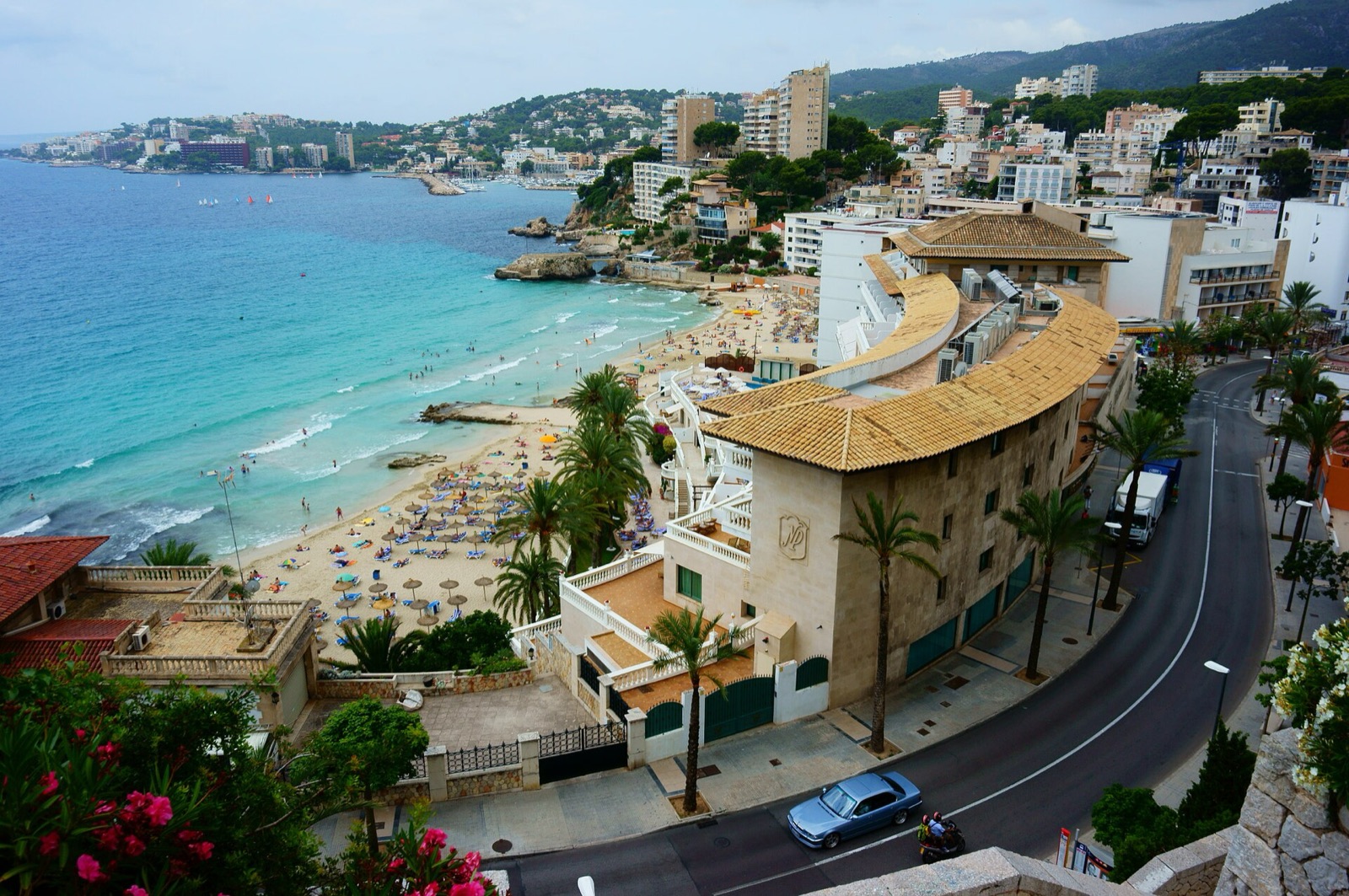
The beach and seafront at Cala Major, Palma
Cala Major, Palma

Not sure who to call?

Tell us what you’re looking for and we’ll introduce 2–3 agents who cover the area. It’s free for buyers.