- Speaks
- Spanish, English, German, French
- Specialises in
- Fincas, Village houses, New builds
- Website
- livingblue-mallorca.com
Estate agents in Port de Sóller
105 agencies, listed in three groups: office in Port de Sóller first, then offices nearby, then others. How we list agents
West & Tramuntana · Sóller · 40 min from Palma
Showing all 105 agenciesOrder: office in the place first
1
1 agency
Office in Port de Sóller
A shopfront in Port de Sóller itself.
2
14 agencies
Offices nearby that cover Port de Sóller
Based elsewhere in Sóller, working in Port de Sóller. Nearest first.
- Speaks
- Spanish, English, French
- Specialises in
- Village houses, Apartments
- Website
- guesdoninmobiliaria.com
- Speaks
- English, German, Spanish, French, Italian, Catalan
- Specialises in
- Village houses, Villas
- Website
- casasmallorca.com
- Speaks
- English, German, Spanish, Russian, Swedish
- Specialises in
- Luxury, Villas
- Website
- firstmallorca.com
- Speaks
- Spanish, Catalan, English, German
- Specialises in
- Village houses, Fincas
- Website
- inmobiliariacoll.com
- Speaks
- Spanish
- Specialises in
- Village houses, Apartments
- Website
- sollerhomes.com
- Speaks
- English, Spanish, German, Swedish, French, Dutch, Catalan
- Specialises in
- Luxury, Villas
- Website
- bhhsspain.com
- Speaks
- Spanish
- Specialises in
- Village houses, Apartments
- Website
- inmocabot.com
- Speaks
- English, German, Spanish, Catalan
- Specialises in
- Villas, Fincas, Village houses
- Website
- engelvoelkers.com
- Speaks
- Spanish
- Specialises in
- Village houses
- Website
- ensenatinmobiliaria.com
- Speaks
- Spanish, English, French, Catalan
- Specialises in
- Village houses, Fincas
- Website
- habitatsoller.es
- Speaks
- Spanish, English
- Specialises in
- Village houses
- Speaks
- Spanish, Catalan, English, French, German
- Specialises in
- Village houses, Apartments
- Website
- xiscacoll.com
- Speaks
- English, German, Spanish, French, Catalan, Danish
- Specialises in
- Villas, Fincas
- Website
- mallorca-dreamhomes.com
- Speaks
- German, English, Spanish
- Specialises in
- Fincas, Village houses
- Website
- sollerstudio.com
3
90 agencies
Other agents covering Port de Sóller
Island-wide agencies and agencies based elsewhere. Nearest first.
- Speaks
- English
- Specialises in
- Luxury, Villas
- Website
- charlesmarlow.com
- Speaks
- English, Spanish
- Specialises in
- Luxury, Fincas, Villas
- Website
- saraballdeia.com
- Speaks
- German, English, Spanish
- Specialises in
- Villas, Fincas, Luxury
- Website
- kensington-international.com
- Speaks
- English, German, Spanish, Russian, French, Dutch, Swedish, Polish
- Specialises in
- Villas, Fincas, Apartments
- Website
- portamallorquina.com
- Speaks
- Spanish, English, German, Italian
- Specialises in
- Apartments, Villas
- Website
- realestatebalear.com
- Speaks
- Spanish
- Specialises in
- Apartments
- Website
- uccsl.com
- Speaks
- Spanish, English
- Specialises in
- Fincas, Apartments
- Website
- delmargroup.es
- Speaks
- Spanish, English, German
- Specialises in
- Apartments
- Website
- gestpropiedad.com
- Speaks
- Spanish
- Specialises in
- Apartments, Villas
- Website
- mallorcagestion.com
- Speaks
- Spanish, English, German
- Specialises in
- Villas, Apartments, Fincas
- Website
- nicolasmessias.com
- Speaks
- German, English, Spanish
- Specialises in
- Villas, Apartments
- Website
- edelhof.com
- Speaks
- Spanish, Catalan, English
- Specialises in
- Apartments
- Website
- inmobiliariaoliver.com
- Speaks
- German, Russian, English, Spanish
- Specialises in
- Apartments
- Website
- redhawk-realestate.com
- Speaks
- Spanish
- Specialises in
- Villas, Apartments
- Website
- zainoscapital.com
- Speaks
- Spanish
- Specialises in
- Fincas
- Website
- mallorcahouse.com
- Speaks
- Spanish
- Specialises in
- Apartments, Fincas
- Website
- grupdirect.com
- Speaks
- Spanish, Catalan, English, German, Russian
- Specialises in
- Apartments
- Website
- viviendasmria.com
- Speaks
- Spanish
- Specialises in
- Villas
- Website
- atrioinmobiliaria.com
- Speaks
- English, Spanish, German, Swedish, French
- Specialises in
- Luxury, Villas, Apartments
- Website
- balearicblue.com
- Speaks
- Spanish, English
- Specialises in
- Apartments, Luxury
- Website
- brokersmallorca.com
- Speaks
- Spanish
- Specialises in
- Apartments
- Website
- cbpisos.com
- Speaks
- Spanish, English, German
- Specialises in
- Apartments
- Website
- cocoinmobiliaria.com
- Speaks
- Spanish, English
- Specialises in
- Luxury
- Website
- daviniacaldes.com
- Speaks
- Spanish, English, German
- Specialises in
- Villas, Apartments
- Website
- domo-plan.com
- Speaks
- English, Spanish
- Specialises in
- Apartments, Villas
- Website
- fantasticfrank.com
- Speaks
- Spanish
- Specialises in
- Apartments
- Website
- ilfinmobiliaria.com
- Speaks
- Spanish
- Specialises in
- Villas, Fincas
- Website
- estarellasbroker.com
- Speaks
- Spanish
- Specialises in
- Apartments, Villas
- Website
- inmobiliariamutbymarian.es
- Speaks
- Spanish
- Specialises in
- Villas, Fincas, Apartments
- Website
- sescorxador.com
- Speaks
- Spanish, English
- Specialises in
- Apartments, New builds
- Website
- laboutiqueinmobiliaria.com
- Speaks
- Swedish, English, Spanish
- Specialises in
- Apartments, Villas
- Website
- mallorcabyran.se
- Speaks
- Spanish
- Specialises in
- Apartments
- Website
- inmo83.com
- Speaks
- Spanish, English, German
- Specialises in
- Fincas
- Website
- rusticamallorca.com
- Speaks
- English, German
- Specialises in
- Villas, Fincas
- Website
- soul-homes.com
- Speaks
- German, English, Spanish
- Specialises in
- Villas, Apartments
- Website
- steinhomes.es
- Speaks
- Spanish
- Specialises in
- Apartments, Villas
- Website
- villainvest.es
- Speaks
- Spanish, Catalan, English
- Specialises in
- Apartments
- Website
- durendesa.com
- Speaks
- Spanish
- Specialises in
- Fincas, Villas
- Website
- laposesionmallorquina.com
- Speaks
- German, English, Spanish
- Specialises in
- Fincas
- Website
- mallorcafincavianden.com
- Speaks
- German, English, Spanish
- Specialises in
- Villas, Apartments
- Website
- mayer-dau.es
- Speaks
- English, Swedish, Spanish
- Specialises in
- Luxury, Apartments, Villas
- Website
- palmamarkets.com
- Speaks
- English, German, Spanish
- Specialises in
- Luxury, Villas, Apartments
- Website
- sae-mallorca.com
- Speaks
- German
- Specialises in
- New builds, Villas
- Website
- swiftbalear.com
- Speaks
- Spanish, English, German, French
- Specialises in
- Apartments
- Website
- balearinvest.com
- Speaks
- Spanish, English, German
- Specialises in
- Apartments, Villas
- Website
- mogohomes.com
- Speaks
- English, German, Spanish, French, Polish, Russian, Swedish
- Specialises in
- New builds, Villas
- Website
- cjrealestate.eu
- Speaks
- Spanish, Catalan, English, German
- Specialises in
- Apartments, Villas
- Website
- inmodomum.com
- Speaks
- Spanish
- Specialises in
- Village houses, Apartments
- Website
- inmorange.com
- Speaks
- Spanish, English
- Specialises in
- Villas, Luxury
- Website
- inmovita.es
- Speaks
- Spanish, English
- Specialises in
- Villas, Fincas, Apartments
- Website
- mallorcasa.es
- Speaks
- Spanish
- Specialises in
- Apartments
- Website
- nn-realestate.com
- Speaks
- Spanish, English, German, French, Italian, Swedish
- Specialises in
- Apartments, Villas
- Website
- puroestate.com
- Speaks
- Swedish, English
- Specialises in
- Apartments, Villas
- Website
- svenskfast.se
- Speaks
- German, English, Spanish
- Specialises in
- Villas, Apartments
- Website
- kunze-partner.com
- Speaks
- Spanish, Catalan, English, French, German
- Specialises in
- Apartments, Villas
- Website
- aproperties.es
- Speaks
- Spanish, English, German
- Specialises in
- Luxury, Villas, Apartments
- Website
- balearhouse.com
- Speaks
- English, Spanish, French, Swedish, Portuguese, Italian
- Specialises in
- Luxury, Villas, Apartments
- Website
- barnes-international.com
- Speaks
- English, Swedish, Spanish
- Specialises in
- Villas, Apartments
- Website
- bjurfors.se
- Speaks
- Spanish, English, German, French, Italian, Swedish, Arabic
- Specialises in
- Luxury, Fincas
- Website
- bonafinca.com
- Speaks
- German, English, Spanish
- Specialises in
- Luxury, Villas, Fincas
- Website
- dahlercompany.com
- Speaks
- Swedish, English, Spanish
- Specialises in
- Apartments, Villas
- Website
- fastighetsbyran.com
- Speaks
- Spanish, English, German, Russian
- Specialises in
- Apartments, Villas
- Website
- jd-residences.com
- Speaks
- Spanish, English
- Specialises in
- Apartments
- Website
- maberty.com
- Speaks
- Spanish, English, German
- Specialises in
- Fincas, Village houses, Luxury
- Website
- medina-mallorca.com
- Speaks
- Spanish, English, German, French
- Specialises in
- Apartments
- Website
- morcas.com
- Speaks
- English
- Specialises in
- Luxury
- Website
- nestseekers.com
- Speaks
- Spanish
- Specialises in
- Apartments
- Website
- palmarealtor.com
- Speaks
- Spanish
- Specialises in
- Villas, Fincas, New builds
- Website
- redpremium.es
- Speaks
- English, Spanish, German, French, Italian, Dutch, Russian, Catalan, Polish, Portuguese
- Specialises in
- Luxury, Villas
- Website
- spain-sothebysrealty.com
- Speaks
- English, German, Dutch, Swedish, Spanish, Catalan, Italian, French
- Specialises in
- Luxury, Villas
- Website
- theagencyre-mallorca.com
- Speaks
- Spanish, English, German
- Specialises in
- Villas, Fincas, Apartments
- Website
- filmhouses.com
- Speaks
- Spanish, German, English, Russian
- Specialises in
- Apartments, Villas
- Website
- keystonemallorca.com
- Speaks
- English, Spanish, German, French
- Specialises in
- Villas, Fincas
- Website
- pollentiaproperties.com
- Speaks
- German, English, Spanish
- Specialises in
- Luxury, Villas
- Website
- smartestatesmallorca.com
- Speaks
- Spanish
- Specialises in
- Apartments
- Website
- inmopropiedad.com
- Speaks
- Spanish
- Specialises in
- Apartments, New builds
- Website
- labproperties.es
- Speaks
- English, German, Spanish
- Specialises in
- Village houses, Fincas
- Website
- 39north3east.com
- Speaks
- English, German, Spanish
- Specialises in
- Villas, Apartments
- Website
- falcrealestate.com
- Speaks
- German, English, Spanish
- Specialises in
- Fincas, Villas
- Website
- inm-mallorca.com
- Speaks
- English, German, Spanish
- Specialises in
- Villas, Apartments
- Website
- heritagehomesmallorca.com
- Speaks
- German, English, Spanish
- Specialises in
- Luxury, Villas
- Website
- herzog-mallorca.com
- Speaks
- German, English, Spanish
- Specialises in
- Apartments, Villas, Fincas
- Website
- smartlivingmallorca.com
- Speaks
- German, English, Spanish
- Specialises in
- Luxury, Villas
- Website
- privatehideaway.com
- Speaks
- German, English
- Specialises in
- Villas, Luxury
- Website
- firstclass-estate.com
- Speaks
- English, Spanish, German
- Specialises in
- Villas, Fincas
- Website
- villasplanet.com
- Speaks
- English, Spanish, German
- Specialises in
- Luxury, Fincas, Villas
- Speaks
- Spanish, English, German
- Specialises in
- Luxury, Villas, Fincas
- Website
- nofreplomerpremium.com
- Speaks
- Spanish, English, German
- Specialises in
- New builds, Apartments
- Website
- gregalproperties.com
- Speaks
- German, English, Spanish
- Specialises in
- Fincas, New builds, Villas
- Website
- ywc-realestate.com
- Speaks
- German, English, Spanish, French
- Specialises in
- Apartments, Villas
- Website
- huether-partner-mallorca.de
Featured agents pay to appear first in their group and are always labelled. How we list agents →
No agencies here match those filters.
Living here
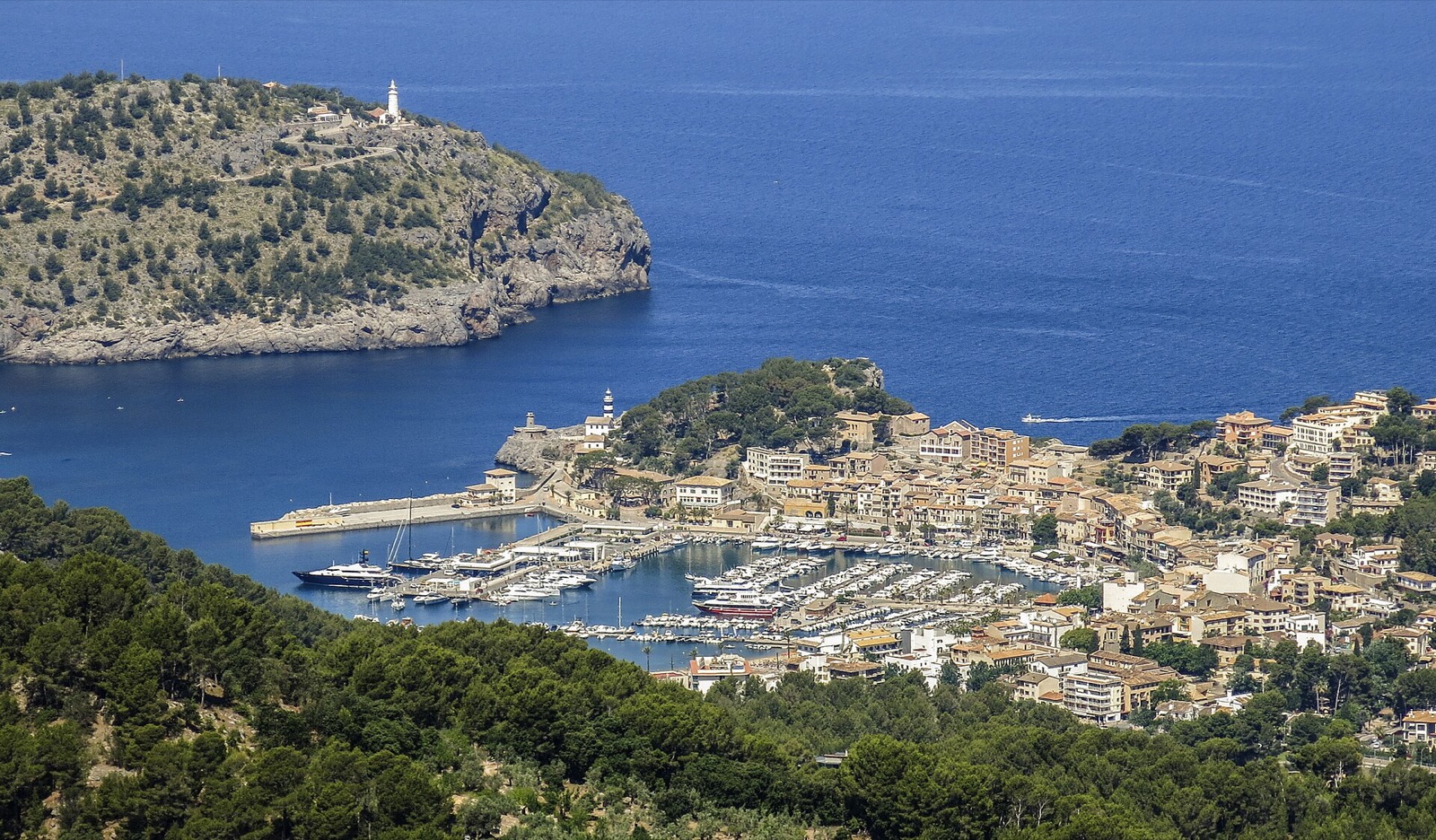
Port de Sóller (Puerto de Sóller) is the harbour village of Sóller, on a small bay with a narrow mouth on Mallorca’s north-west coast, about 3 km below the town and roughly 40 minutes from Palma through the Sóller tunnel. It has two beaches, a fishing harbour and the Tramuntana mountains behind it. Sea, mountains and village life come together here, for buyers who can live with the summer crowds.
The bay is a natural harbour, and the Serra de Tramuntana, a UNESCO World Heritage landscape since 2011, rises straight behind it. Two beaches of sand and gravel curve around the water: the longer Es Través, with the tram running along the seafront behind it to the harbour, and the smaller Platja d’en Repic on the other side, in front of a pedestrian promenade. Since the Sa Mola tunnel opened in 2007, traffic has been taken off the seafront and the old shore road has become a promenade.
The harbour, run directly by the Balearic ports authority, is shared by fishing boats and leisure craft, with its own fish market and fishermen’s guild. Beside it, Santa Catalina, the old fishermen’s quarter and the oldest part of the port, is a cluster of narrow, steep lanes and steps. Its old chapel now houses the Museu de la Mar, part of Mallorca’s maritime museum. A walk up to the Cap Gros lighthouse gives wide views of the bay, and the Torre Picada, an early 17th-century watchtower built against pirate raids, looks over it from the cliffs. Excursion boats leave the harbour for Sa Calobra and Cala Tuent.
Day-to-day shopping can be done on foot: there are several small supermarkets, a pharmacy, cafés and a street market on Thursday mornings. The state primary school, CEIP Pere Cerdà, stands beside the parish church of Sant Ramon de Penyafort. The port has its own small public health unit, but in October 2026 it moved temporarily to the Serra Nord health centre in Sóller town because of a leaking roof. The secondary school, the municipal market and the Saturday street market are in Sóller, about 10 minutes away by car or half an hour on the 1913 tram, which runs through orange and lemon groves.
Life follows the seasons. Paid parking in the port runs from March to mid-November, and in winter many hotels close and the seafront goes quiet. In May the port takes part in Sóller’s Fira i Firó, and one of the staged clashes between Moors and Christians is fought on Platja d’en Repic. The port holds its own Sant Pere festival on 29 June, and on the evening of 15 July boats sail in procession across the bay for the Mare de Déu del Carme. The GR 221 long-distance path links the port with Sóller and Biniaraix, and Deià is 20 minutes away by the coast road.
Who buys here
About 2,500 people are registered as living in the port, and tourism is the mainstay of the local economy. The council’s 2025 survey of residents links local housing pressure to heavy buying by non-residents, especially other Europeans, which has turned many flats into second homes or holiday lets. Housing costs and holiday lets are a sore point with many locals, who marched against mass tourism in August 2026.
Property
Most buildings in the port date from after 1990, and the east and south sides of the bay are built up as far as Platja d’en Repic. Hotels stand along the seafront promenades, and holiday apartments are common. Santa Catalina, the old fishermen’s quarter beside the harbour, has older houses on narrow, stepped lanes. Between the port and Sóller town, the valley floor is a patchwork of citrus groves and old country houses, many now holiday lets or second homes. New homes are rare: according to the council, almost all the land zoned for building is already taken and the countryside around is protected.
Getting around
Approximate times by car from the harbour, outside rush hour and summer queues.
- 40min
Central Palma (Cathedral)Ma-11 through the toll-free Sóller tunnel
- 45min
Palma airportThrough the tunnel and round Palma’s Ma-20 ring road
- 30min
Son Espases hospitalPalma’s main public hospital
- 10min
Sóller townOr about half an hour by the vintage tram
- 20min
DeiàAlong the winding Ma-10 coast road
Pros and cons
For
- Sheltered bay with two beaches and a fishing harbour
- Shops, pharmacy and a primary school within walking distance
- The GR 221 path links the port with Sóller and Biniaraix
- Toll-free tunnel puts Palma about 40 minutes away
Against
- Crowded in summer; some locals avoid the port in peak season
- Summer queues from the tunnel to the port; scarce parking
- Many hotels and businesses close for part of the winter
- Water-quality alerts on the port beach several times in 2025
Questions buyers ask
Is Port de Sóller part of Sóller?
Yes. It is one of the four settlements of the municipality of Sóller, about 3 km from the town centre, where the town hall is. The two are linked by road and by a tram that has run since 1913.
Do you have to pay to use the Sóller tunnel?
No. The 3 km tunnel on the Ma-11 has been free since the end of December 2017. It does close on some nights for maintenance, when traffic is sent over the old Coll de Sóller road and its many bends.
What is Port de Sóller like in winter?
Much quieter. Residents say the season now runs until about November, and after it many hotels and businesses close for weeks or months. Sunny weekends can still bring crowds of day-trippers to the valley, even in February.
Are holiday lets allowed?
You need a tourist-rental licence, and Mallorca caps the number of tourist beds in each municipality. They are a sensitive subject here: the council’s 2026 renewal plan proposes a local bylaw and tougher checks on unlicensed lets. Check a property’s licence with a lawyer before you buy.
Is there a flood risk?
Yes, it is worth checking. The council’s 2026 strategic document says almost all of the municipality’s built-up land lies in a mapped flood-risk area of the Torrent Major, and that in a once-in-500-years flood the deepest water would be along the stretch between the town and the port. Check any property against the official Balearic flood maps before buying.